Remember when Roman Abramovich bought Chelsea in 2003? Or when Sheikh Mansour acquired Manchester City in 2008? Both arrived with the same playbook: open the checkbook, sign the biggest stars, win everything. Simple, right?
Not quite.
Those early years were fascinating studies in failure. Despite spending fortunes on superstar players, both clubs stumbled. Chelsea cycled through managers. City languished in mediocrity. The collection of expensive individuals never quite gelled into championship teams. It turns out that assembling soccer’s equivalent of the Avengers doesn’t automatically produce Marvel-like results.
The real transformation came later, when these owners discovered something Silicon Valley should pay attention to: sustainable success requires more than just talent acquisition. It demands patient institution-building.
Take Paris Saint-Germain’s evolution. After years of chasing glory with galáctico signings, they fundamentally shifted strategy. By 2024, PSG’s president declared that “the team, the collective team” would be the star going forward. They invested €385 million in a state-of-the-art training academy. They fielded one of the youngest squads in the Champions League. The message was clear: we’re building something lasting, not just buying something shiny.
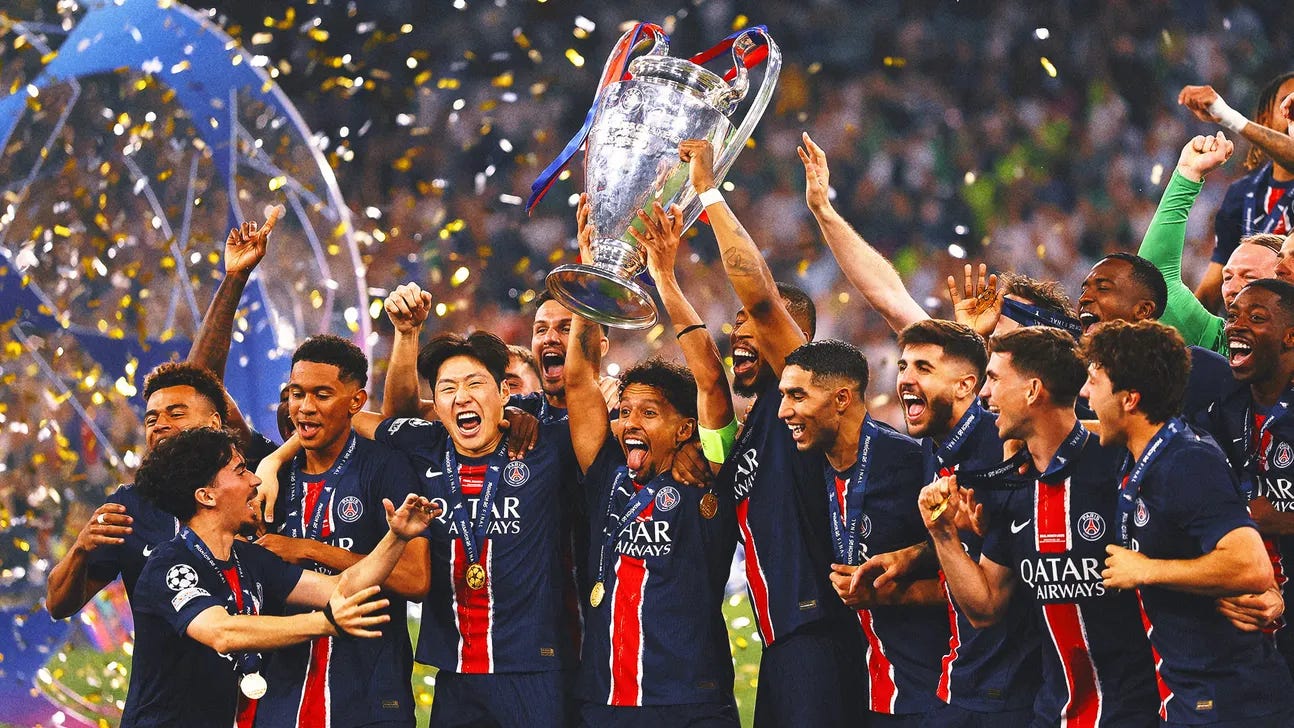
PSG won the 2025 UEFA Champions League title
And here’s where it gets interesting for 2025: PSG just won the Champions League with this youth-focused, culture-first approach. Not with aging superstars, but with homegrown talent and smart, strategic signings who bought into the system.
Which brings us to Meta’s current AI talent war.
Mark Zuckerberg is essentially running the old Chelsea playbook: throw unprecedented money at the problem. We’re talking $100 million packages for individual AI researchers. The kind of offers that make even Silicon Valley veterans do double-takes. Yet OpenAI’s Sam Altman revealed that despite these astronomical offers, “none of our best people” accepted.
Why? Because Meta is making the same mistake those football clubs initially made. They’re treating talent acquisition as a purely financial transaction.
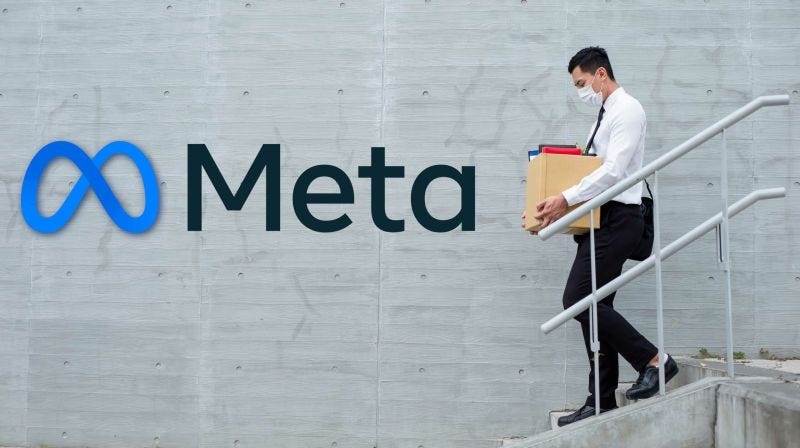
The parallels are striking. Just as world-class footballers want more than money (they want brilliant coaches, winning cultures, and clubs with clear philosophies), top AI researchers seek mission-driven environments. They remember Meta’s “weedwacker” layoffs that gutted entire research teams. They see a company that treats AI as a business enabler rather than a core mission. They worry their breakthroughs will be funneled into optimizing Instagram engagement rather than pushing the boundaries of human knowledge.
The successful football clubs eventually learned this lesson. Manchester City didn’t just buy players; they built a “commercially and financially sustainable organization” with world-class facilities, youth development, and a clear playing philosophy. They created an ecosystem where talent thrives, not just arrives.
Meta needs this same evolution. Setting up a “superintelligence lab” that reports directly to Zuckerberg is a start. It’s like giving a manager full backing. But building a dynasty requires more than org charts and budgets. It requires patience, stability, and most importantly, a culture that compounds over time.
As one commentator perfectly put it: “Culture compounds. Prestige compounds. Trust compounds. Money? Money just gets you in the conversation.”
The trophies, whether Champions League titles or AI breakthroughs, ultimately go to those who balance bold ambition with patient institution-building. That’s the real lesson from football’s transformation, and it’s one Meta desperately needs to learn.